- A Pressure Canner or a Waterbath Canner (depending upon what type of canning you are going to be doing.)
- Canning Funnel: This is great for pouring your food into the jars without as much of a mess or spills as trying to do it funnel-less.
- Jar Lifter: This handy tool helps you to lift jars out of the canner when they are done. It helps to keep you from getting burned on hot jars.
- New Canning Lids, while you can reuse canning jars (provided they have no cracks or imperfections) you will need new canning lids every time you can, unless you are using resealable lids such as Tattler lids.
- Canning Jars: look over your jars each year and be sure that they are not getting worn out, check for signs of cracks or chips in the glass. Also carefully inspect the mouth of the jar to be sure there are no nicks or imperfections where the canning lid will set as this could cause an improper seal, resulting in spoiled food. Any jars that have flaws should be discarded (or just not used for food preservation) and replaced with new jars.
- Most of the other canning supplies you will need tend to be kitchen staples, things such as dish towels, measuring cups and spoons, ladles, spatulas, stock pots, etc.
Pages (function(i,s,o,g,r,a,m){i['GoogleAnalyticsObject']=r;i[r]=i[r]||function(){ (i[r
Thursday, April 26, 2012
Things You Need for Canning
While canning season is not quite here yet, it is sometimes advisable to take stock of your canning tools and supplies to see if something needs to be replaced. If so you may want to invest in it early so that you won't have to worry about stores running out of what you need once the canning rush begins in the fall. Here are a few of the tools that we recommend to have on hand when canning:
Thursday, April 19, 2012
Books to Can By
There are many foods that are able to be canned, whether by water bath method or pressure canning. We have several books that can help you in your canning endeavors, here are those canning books with a little info as to what can be found in each one:
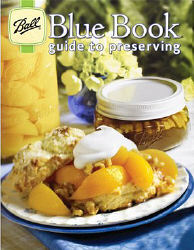
In the pages of the Ball Blue book you will find great info for a beginner canner, including methods on how to preserve foods other than canning, such as dehydrating. Several of the instructions have great visual aids, particularly the green beans on pg. 70. A wonderful little guide to preserving that will be a great addition to any canner's collection.
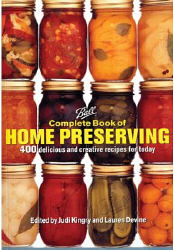
The Ball Complete Book of Home Preserving has over 400 different preserving recipes. Most of which are canning recipes (waterbath and/or pressure). This book even includes a produce purchase guide to help ensure that you are purchasing the freshest food possible for your preserving. Recipes included are for a variety of skill levels from beginner to pro. This book is a great addition to those wanting more recipes for their preserving endeavors.
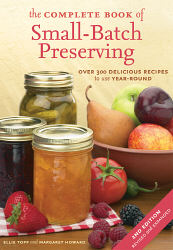
The Complete Book of Small-Batch Preserving contains over 300 different preserving recipes as well as a chapter on preserving by freezing. The recipes are smaller batches too so that if you aren't wanting to can a lot, you can preserve just the amount of food that you will need.
In the pages of the Ball Blue book you will find great info for a beginner canner, including methods on how to preserve foods other than canning, such as dehydrating. Several of the instructions have great visual aids, particularly the green beans on pg. 70. A wonderful little guide to preserving that will be a great addition to any canner's collection.
The Ball Complete Book of Home Preserving has over 400 different preserving recipes. Most of which are canning recipes (waterbath and/or pressure). This book even includes a produce purchase guide to help ensure that you are purchasing the freshest food possible for your preserving. Recipes included are for a variety of skill levels from beginner to pro. This book is a great addition to those wanting more recipes for their preserving endeavors.
The Complete Book of Small-Batch Preserving contains over 300 different preserving recipes as well as a chapter on preserving by freezing. The recipes are smaller batches too so that if you aren't wanting to can a lot, you can preserve just the amount of food that you will need.
Friday, April 13, 2012
Caring for a Mirro Pressure Cooker
Caring for your Mirro pressure cooker does not have to be hard and caring for it properly can help extend the lifetime of your cooker.
If you have just purchased your Mirro Cooker then you will want to wash it with hot soapy water and dry it before your first use.
When using your cooker never beat a spoon, potato masher, etc against the rim. This could cause a mar or dent that could potentially prevent your cooker from sealing properly.
You will want to clean inside your cooker after every use. To make cleaning the inside of your cooker easier run warm water into it as soon as you remove the food from it. Then when you are ready to wash it, use warm, soapy water.
After each use of your pressure cooker you will want to remove the gasket from the cover. Wash it in warm soapy water, rinse and dry thoroughly. Then put the gasket back into the cover so that your cooker is ready for its next use.
You will want to be sure to always wash the cover thoroughly after each use. Run hot water around all of the openings in the handle to keep the lift pin assembly free from grease or food particles that could keep your cooker from operating correctly. -Keep in mind that if moisture stays inside of the handle, the steam may not appear around the handle during the next use. Mirro's User Manual states that this is normal.
After washing and rinsing the cooker's cover, and before using, hold the cover up to the light so you can see through the vent tube. If you cannot see light through the vent tube then it may be blocked. To unblock your cooker's vent tube, carefully run a wire in and out of the vent tube to be sure that the tube is clear and unobstructed. Rinse again in hot water.
Your pressure control will typically stay clean as the steam that comes out of the cleaner serves as almost a self cleaning for the pressure control. However, it will not harm the control if you choose to wash it in warm, soapy water. Be sure to rinse thoroughly after washing.
To store your Mirro cooker you should store it with the cover off, or upside down on the cooker. Do not store with cover and gasket tightened on.
If you have just purchased your Mirro Cooker then you will want to wash it with hot soapy water and dry it before your first use.
When using your cooker never beat a spoon, potato masher, etc against the rim. This could cause a mar or dent that could potentially prevent your cooker from sealing properly.
You will want to clean inside your cooker after every use. To make cleaning the inside of your cooker easier run warm water into it as soon as you remove the food from it. Then when you are ready to wash it, use warm, soapy water.
If your cooker has hard water stains to remove them you will need:To clean the exterior, occasionally clean with silver polish. To keep your exterior from dulling never soak or cover the pan in water and do not wash in the dishwasher.
To clean: boil 1 quart water and 2 teaspoons of the cream of tartar. Allow this solution to boil in the cooker, with the cover OFF, for a few minutes. Allow to cool, clean with steel-wool pad, and allow to dry. (You can also substitute a the cream of tartar solution with a solution made of equal parts water and vinegar).
- soap filled steel-wool pad
- cream of tartar
After each use of your pressure cooker you will want to remove the gasket from the cover. Wash it in warm soapy water, rinse and dry thoroughly. Then put the gasket back into the cover so that your cooker is ready for its next use.
You will want to be sure to always wash the cover thoroughly after each use. Run hot water around all of the openings in the handle to keep the lift pin assembly free from grease or food particles that could keep your cooker from operating correctly. -Keep in mind that if moisture stays inside of the handle, the steam may not appear around the handle during the next use. Mirro's User Manual states that this is normal.
After washing and rinsing the cooker's cover, and before using, hold the cover up to the light so you can see through the vent tube. If you cannot see light through the vent tube then it may be blocked. To unblock your cooker's vent tube, carefully run a wire in and out of the vent tube to be sure that the tube is clear and unobstructed. Rinse again in hot water.
Your pressure control will typically stay clean as the steam that comes out of the cleaner serves as almost a self cleaning for the pressure control. However, it will not harm the control if you choose to wash it in warm, soapy water. Be sure to rinse thoroughly after washing.
To store your Mirro cooker you should store it with the cover off, or upside down on the cooker. Do not store with cover and gasket tightened on.
Friday, April 6, 2012
10 Uses for the Presto Kitchen Kettle Multi-Cooker Steamer
The Presto Kitchen Kettle is a neat little kitchen appliance. It has many uses in the kitchen, so many in fact, you could find a use for it each and every day. However, we are going to talk about the 10 most popular uses for it today:
Need parts for your Presto Kitchen Kettle? We carry kitchen kettle parts in our online store.
- Simmering Soup
- Braising Roasts and Meats
- Steaming Vegetables
- Simmering Stews
- Cooking Fish
- Boiling Pasta and Rice
- Blanching Vegetables
- Deep Frying
- Roasting Meats
- Make Casseroles
Need parts for your Presto Kitchen Kettle? We carry kitchen kettle parts in our online store.
Subscribe to:
Posts (Atom)